

Ad optimization is entering a new era—one defined by instant data, automated intelligence, and rapid iteration. The days of slow reporting cycles and guesswork-driven adjustments are over. Modern performance strategies now revolve around real-time insights, enabling advertisers to make faster, smarter, and more profitable decisions.
Instant Data Means Instant Action
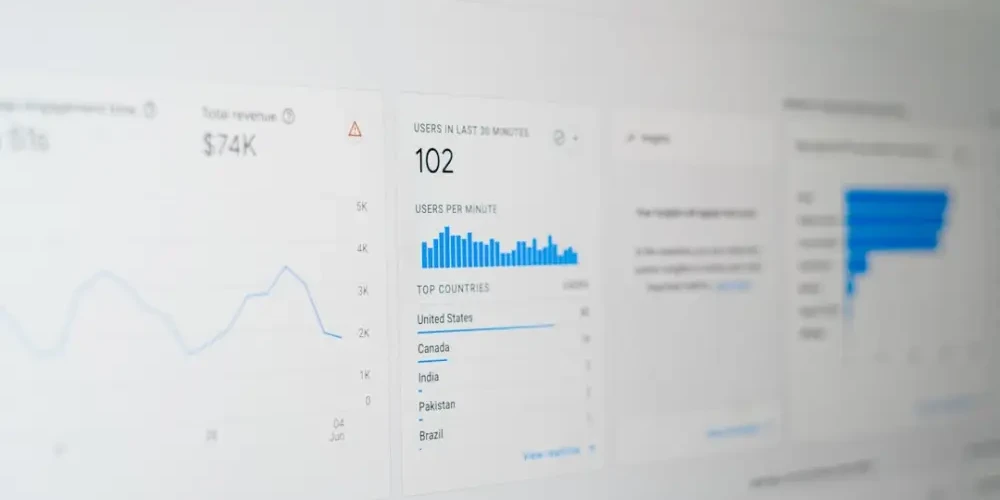
Real-time analytics eliminate the lag between performance shifts and strategic response. When impressions, clicks, conversions, and spending patterns are visible instantly, campaigns can adapt within minutes rather than days. This agility protects budgets, maximizes opportunities, and prevents performance decay.
AI Is Replacing Manual Optimization
Machine learning now handles tasks that once required constant human oversight—bid adjustments, audience refinement, creative rotation, and budget allocation. AI models detect patterns far earlier than humans can and optimize at a scale that manual workflows simply cannot match. The result is tighter efficiency and significantly higher ROI.
Smarter Decisions Come From Unified Insights
Fragmented data leads to fragmented decisions. The future of ad optimization lies in unified insight platforms that consolidate performance signals from multiple channels—search, social, display, video, and programmatic. When advertisers see the whole picture, strategic refinement becomes dramatically more accurate.
Dynamic Creative Performance Becomes Standard
Real-time insights accelerate creative testing. Instead of waiting days to determine which headline, image, or layout works best, advertisers can optimize in-flight with live performance signals. Dynamic creative optimization ensures that every user sees the version most likely to convert.

Predictive Modeling Drives Proactive Strategy
Instead of reacting to declining performance, predictive analytics highlight future trends before they impact results. Forecasting models identify rising segments, potential underperformance, and upcoming opportunities—giving advertisers a critical competitive advantage.
The New Reality: Always-On Optimization
Ad strategies are shifting from periodic adjustment to continuous refinement. Real-time intelligence transforms optimization into an always-on process—smart, flexible, and relentlessly efficient.
Conclusion
The future of ad optimization is defined by speed, precision, and data-driven intelligence. Advertisers that embrace real-time insights and automated decision-making will outperform competitors who rely on outdated, reactive models. The path forward is clear: smarter tools, faster insights, and continuous optimization at scale.
Related Posts
How we finally started questioning where our sales actually come from
Learn how to move beyond last-click…

The Growing Influence of Predictive Intelligence on Strategic Advertising Decisions
Explore how predictive intelligence is…